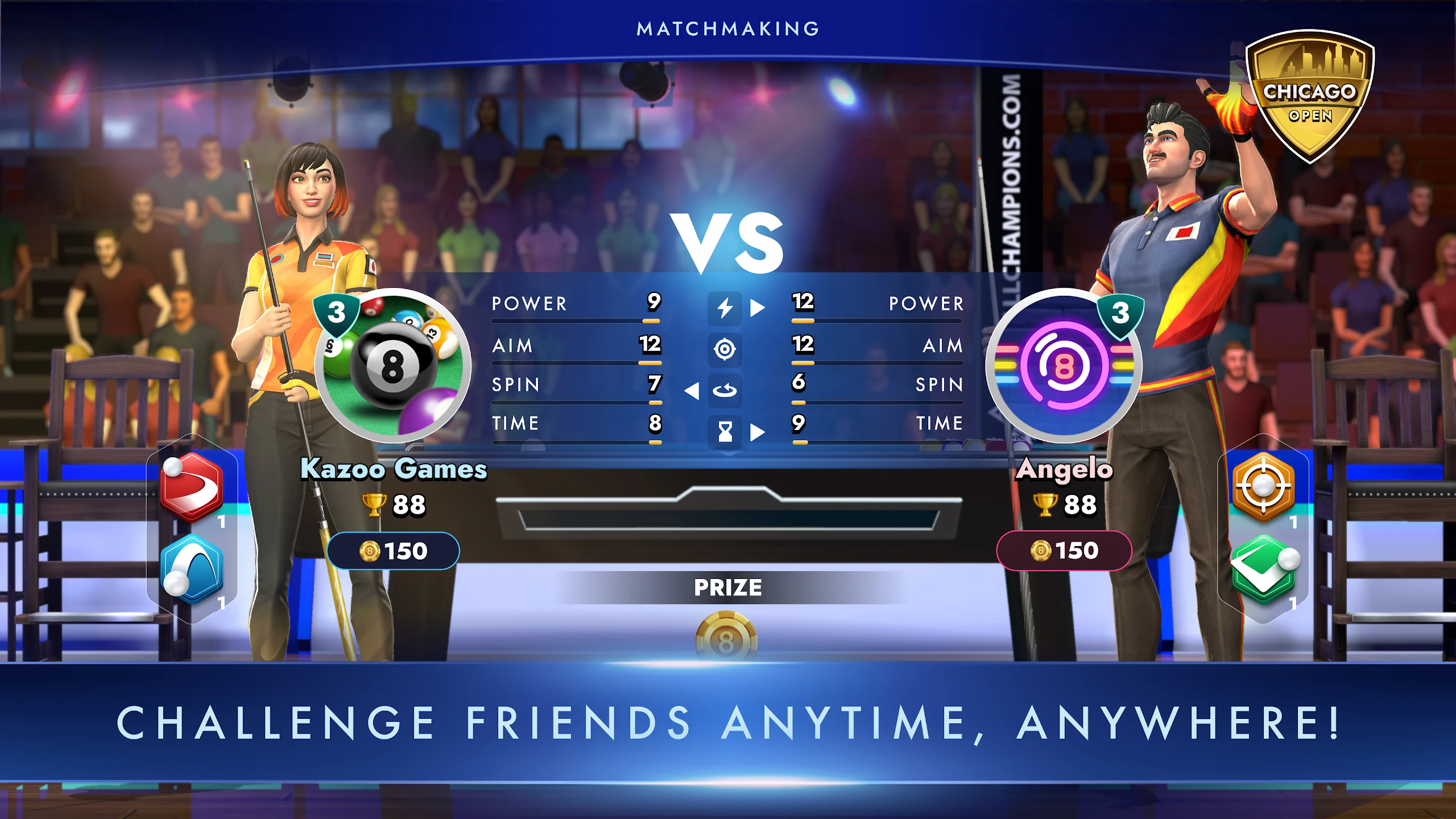
Designed and implemented a trophy-based matchmaking system featuring dynamic search range expansion, reciprocal pairing validation, and configurable min/max range interpolation based on player trophy count, balancing match fairness and queue times.
Responsible for adding 100+ unit tests, with some adding test coverage to Addressables asset grouping, being the most important ones, testing that only the bare minimum needed resources was actually embedded in final builds by crawling asset roots, helping to reduce download size from 220MB to 112MB.
Refactored the initialization process into a scripted initialization pipeline, improving maintainability and extensibility while simplifying the identification and debugging of step-specific issues. The new architecture also enabled automated timing benchmarks for all initialization stages.
Designed and implemented a Play FTUE flow that allowed players to begin gameplay while remaining remote assets were downloaded, reducing tap-to-game time by 50% (from ~60s to ~30s).
Designed and implemented client prediction system responsible for hiding network delay of user predictable actions like purchasing, upgrading items, receiving static rewards (opening loot boxes is server only) and also when modifying player entities.
Designed and implemented device thermal control feature by flagging specific areas as important or semi important, so the target fps could be dynamically controlled depending on area importance and current device thermal state, which helped players to sustain longer sessions.
Implementing python automation scripts for development and liveops.
Added support for Apple Sign In.
Responsible for adding Apple and Google deferred purchase support (delayed parent approvals or cash payment at an approved physical store).
Implemented custom content CDN certificate handler and a validation tool to verify expired certs.
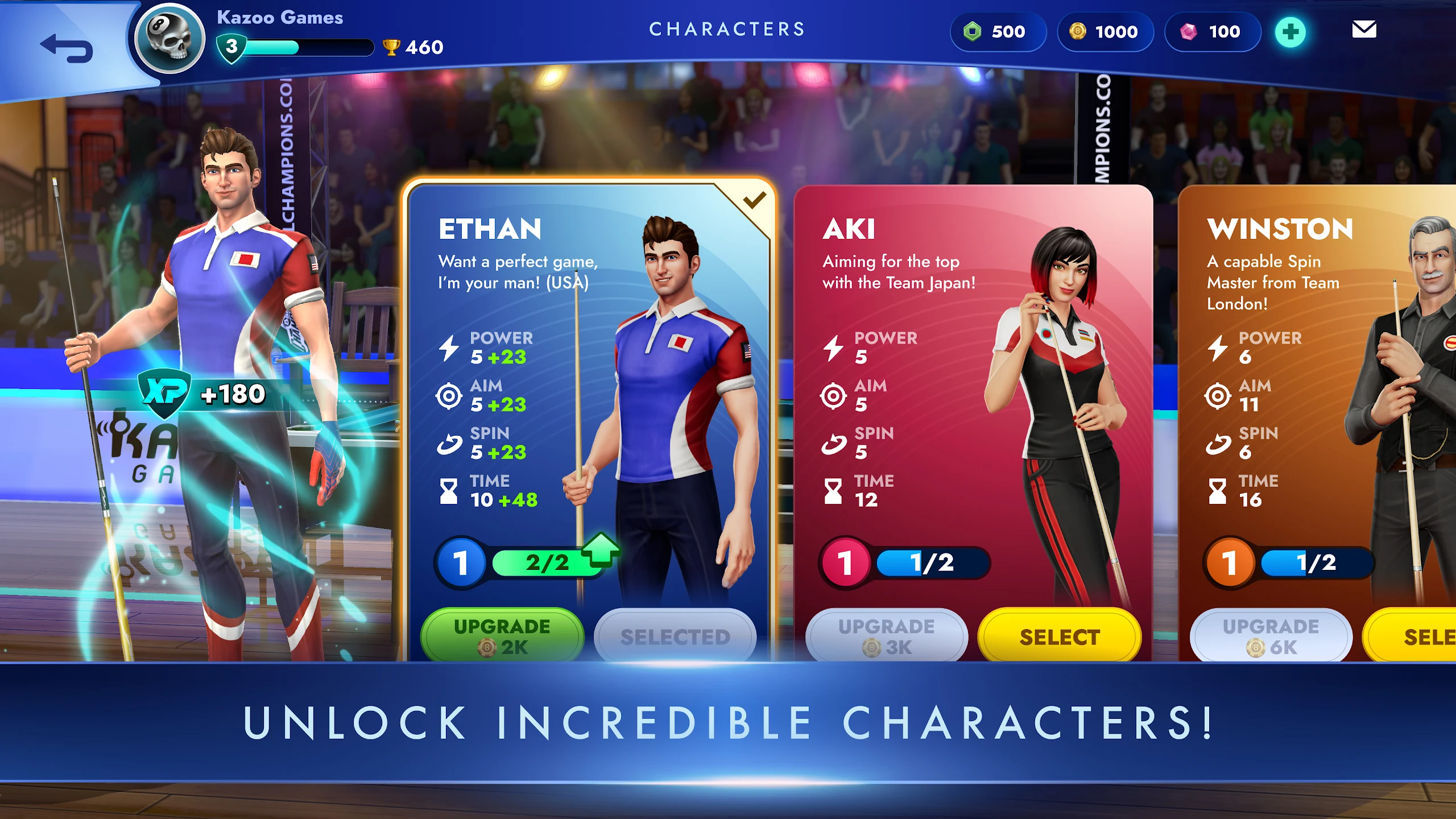
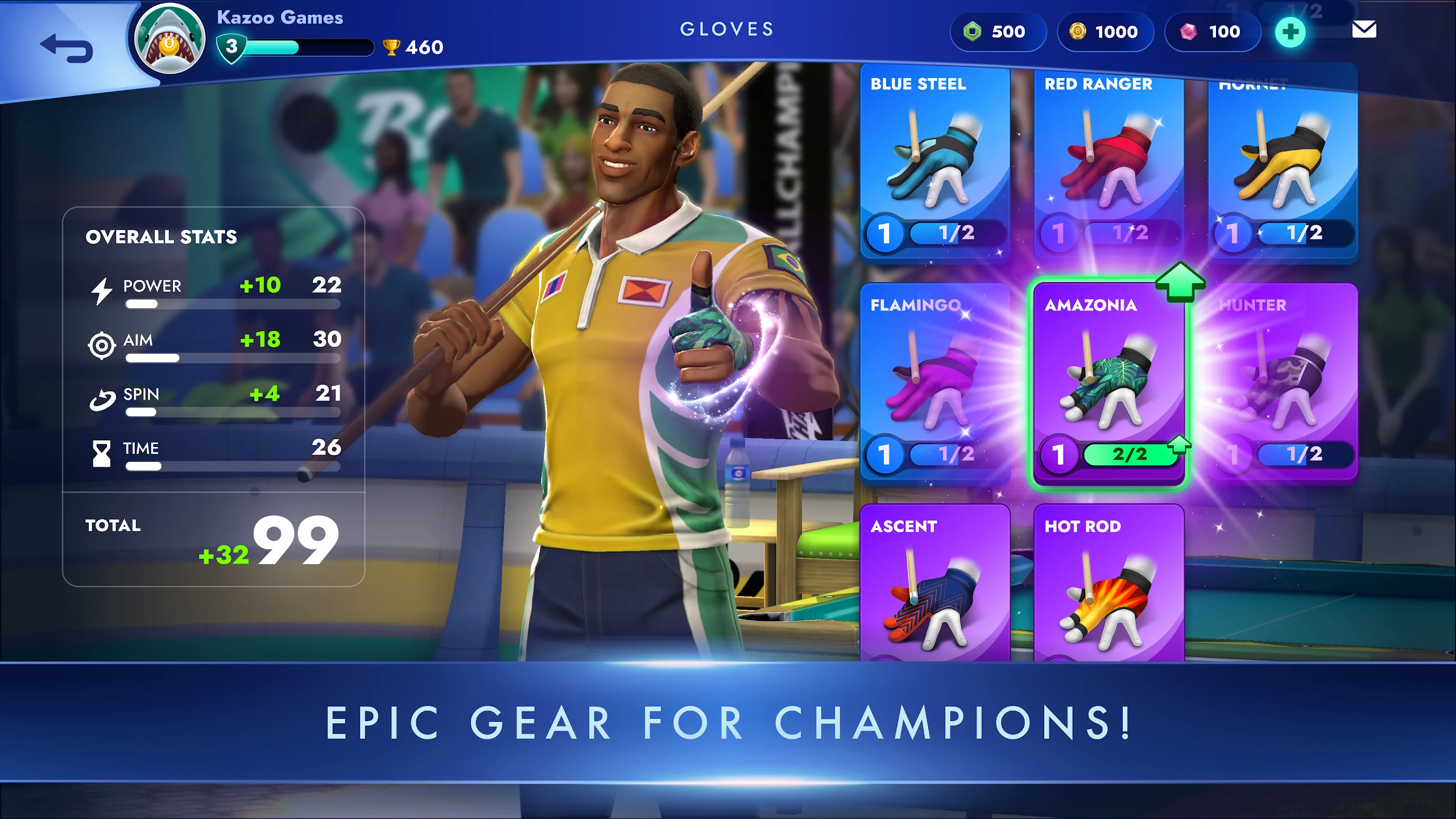
Designed and implemented the Persona feature, which dynamically determines bot appearances (characters, skins, equipment, and avatars) using unlocked tour progression, remotely configurable display ranges, and visual selection history to ensure varied and strategic item exposure.
Designed and implemented PlayFabTestContext, a shared asynchronous validation framework for PlayFab title content, significantly reducing test setup complexity and supporting the expansion of automated content validation coverage.
Added support for Google Voided Purchases detection, enhancing revenue protection by identifying and responding to refunded or invalidated in-app purchases.
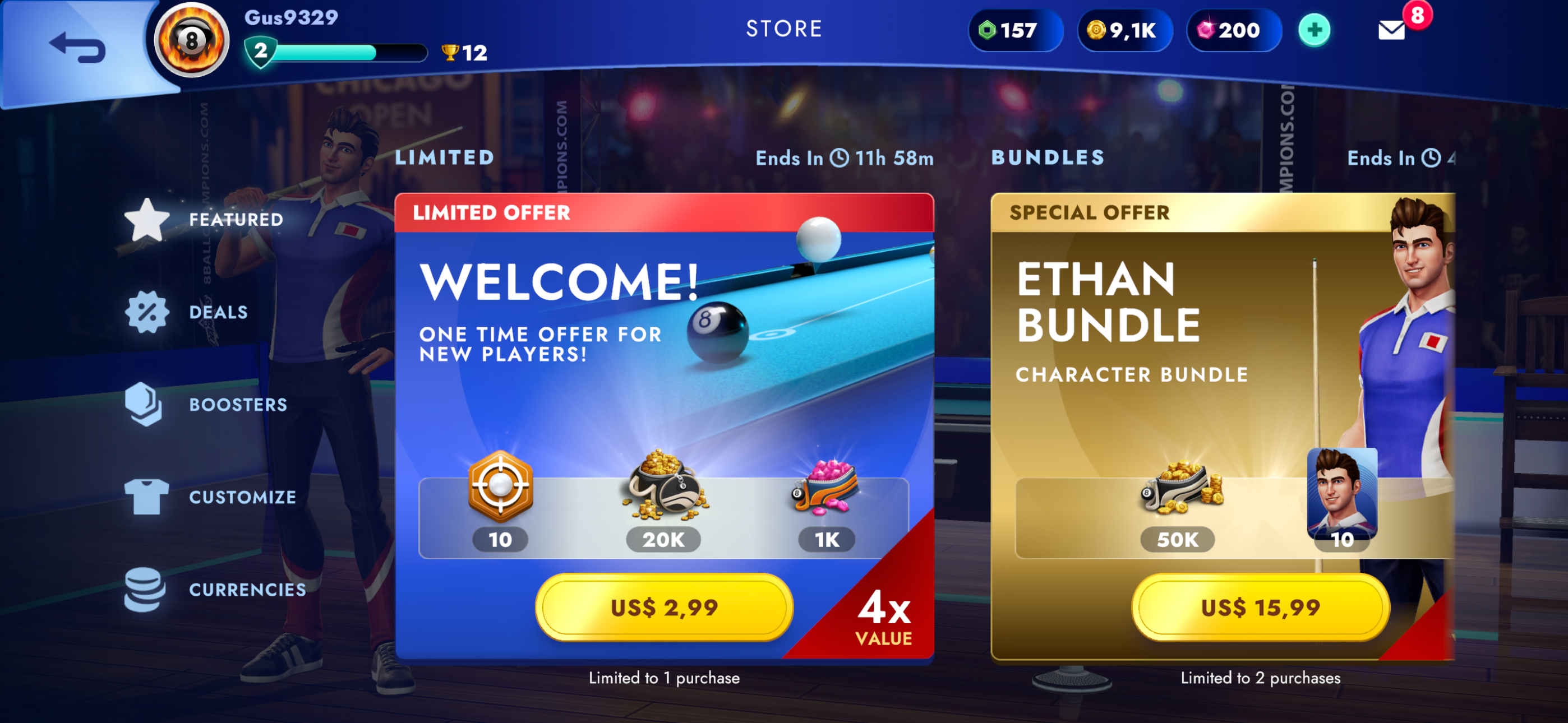
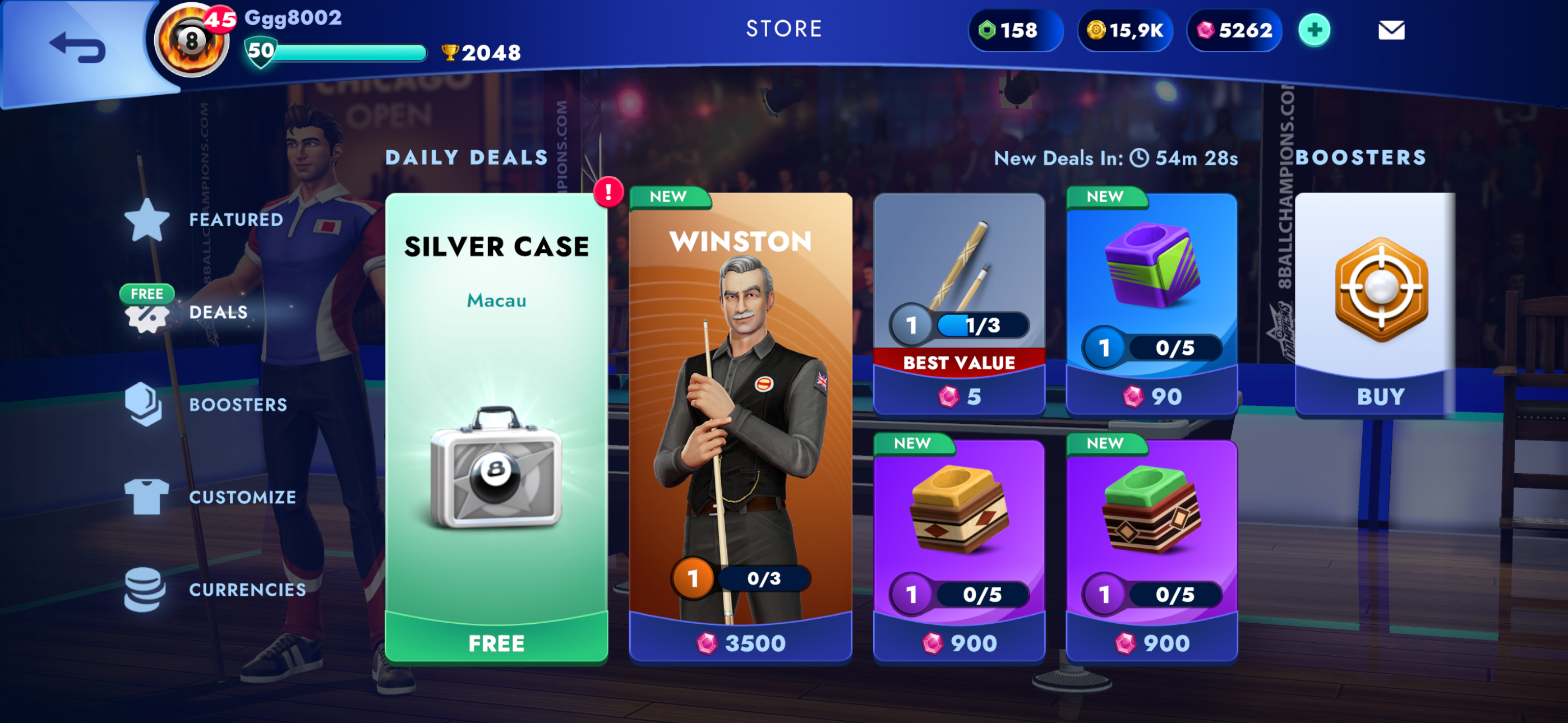
Designed and implemented purchasable loadout slots, providing players with greater customization flexibility while increasing app monetization.
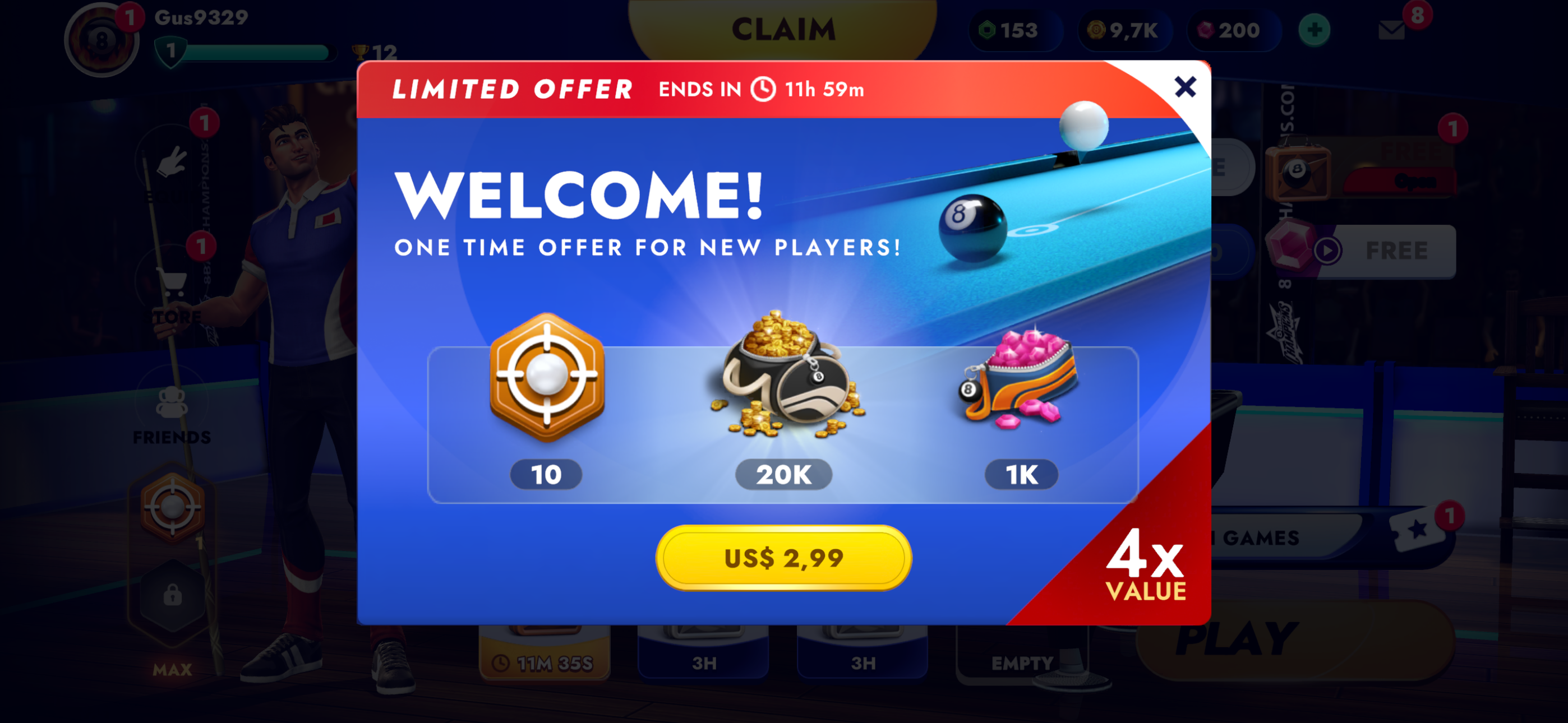
Designed and implemented a flexible limited offer system empowering LiveOps to dynamically control offer activation and enforce expiration rules based on time and sales count thresholds.
Implemented support for previous-store purchase validation, reducing purchase failures and improving player experience during store refreshes when there is a client to server time mismatch.
Reduced store fetching times by redesigning the PlayFab store retrieval process to use concurrent batched requests, improving responsiveness without exceeding API throttling thresholds.
Enhanced network queue performance by introducing an opt-in request batching delay, reducing the number of backend calls generated by repetitive user actions while maintaining a responsive user experience.
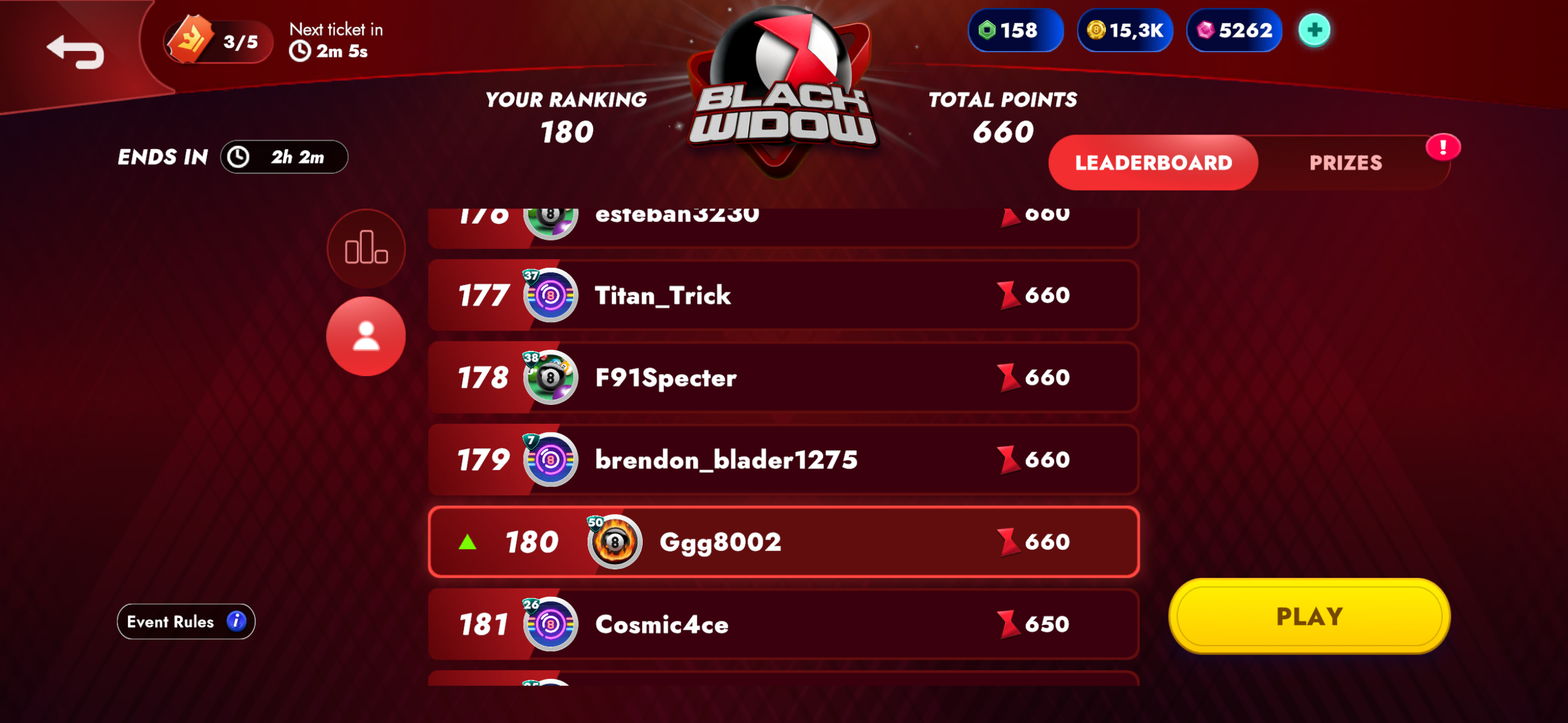
Designed and implemented the Black Widow event leaderboard system, supporting player ranking, score tracking, and reward distribution.